The laser hair removal is a method of permanent hair reduction in which a laser light beam is directed at the hair roots (follicles) to destroy or deactivate them. The following is a summary of the most important aspects:
How does laser hair removal work?
The laser emits concentrated light of a specific wavelength.
This light is absorbed by the melanin (pigment) in the hair.
The light energy is converted into heat and destroys the hair follicle.
The darker the hair and the lighter the skin, the more effective the treatment (higher contrast).
How does laser hair removal work?
The laser emits concentrated light of a specific wavelength.
This light is absorbed by the melanin (pigment) in the hair.
The light energy is converted into heat and destroys the hair follicle.
The darker the hair and the lighter the skin, the more effective the treatment (higher contrast).
Treatable areas of the body
Laser hair removal is suitable for almost all areas of the body:
Face (e.g., upper lip, chin)
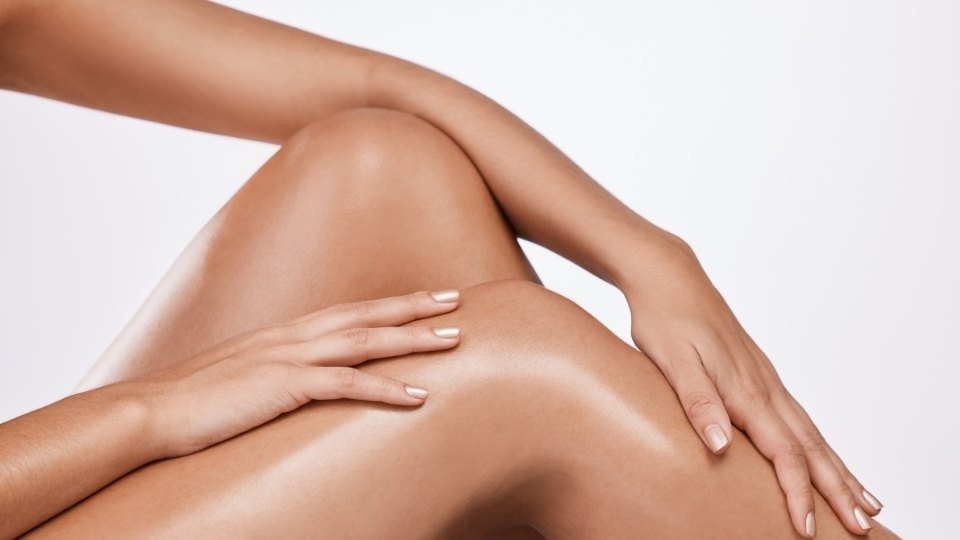
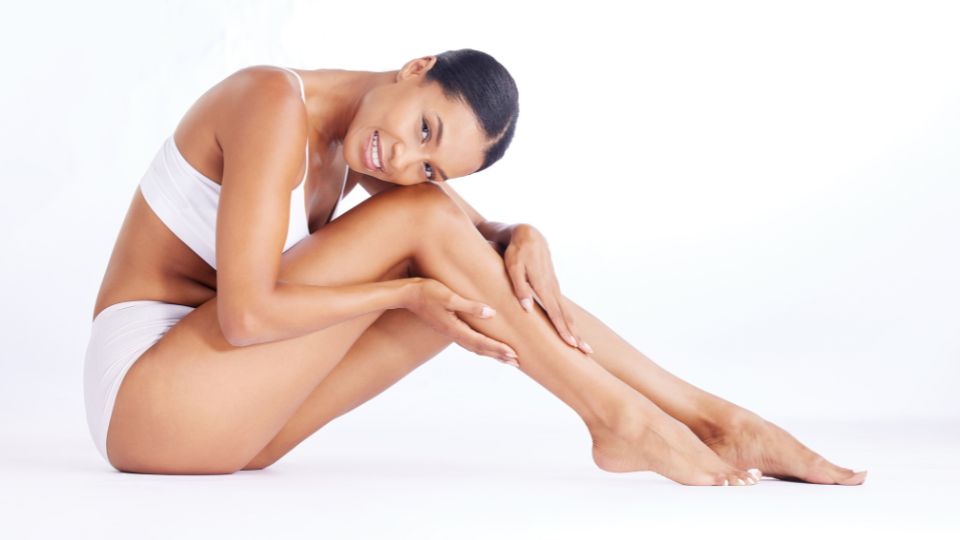
Legs
Underarms
Bikini area
Back
Chest
Duration of treatment and number of sessions
A session lasts between 5 and 60 minutes, depending on the area.
Generally, the following are required 6-10 sessions, with intervals of 4-8 weeks.
Hair grows in cycles; the laser is only effective in the growth phase (anagen phase).
Risks and side effects
Redness, swelling or itching after treatment (usually temporary)
Pigmentation changes (especially in dark skins)
Risk of burns if used incorrectly
Not suitable for tanned skin or very light or gray hair.
Benefits
Long-term hair reduction (up to 90 %)
Less ingrown hairs
Smooth skin without frequent irritation such as shaving
Types of devices
Alexandrite laser (755 nm): ideal for light skin and dark hair
Diode laser (800-810 nm): versatile, suitable for medium skin tones
Nd:YAG laser (1064 nm): suitable for dark skin
Important
Lasers offer a high level of safety and should only be used by certified and experienced professionals, such as plastic and cosmetic surgeons or dermatologists.





 Spanish
  English
  German
  French
  Arabic
  Thai
Thai  Chinese
  Russian