
Hair loss is rarely just a matter of appearance. For many people, it gradually affects their confidence, self-image and how they feel in their daily lives. FUE hair transplantation has become one of the most talked about solutions in recent years, not because it promises miracles, but because it offers a realistic and modern approach to hair restoration.
Unlike older techniques, FUE (Follicular Unit Extraction) does not require large incisions or leave visible linear scars. Instead, hair follicles are extracted and transplanted individually into areas of hair loss. The process is precise, controlled and designed to work in harmony with natural growth patterns.
FUE hair transplant - Banus Medical
One of the most common misunderstandings is to expect immediate results. After a FUE procedure, the transplanted hair often falls out during the first few weeks. This phase can be alarming if you are not aware of it, but it is a completely normal part of the process. Growth is gradual and visible improvement appears over several months as the follicles adapt and begin to produce new hair.
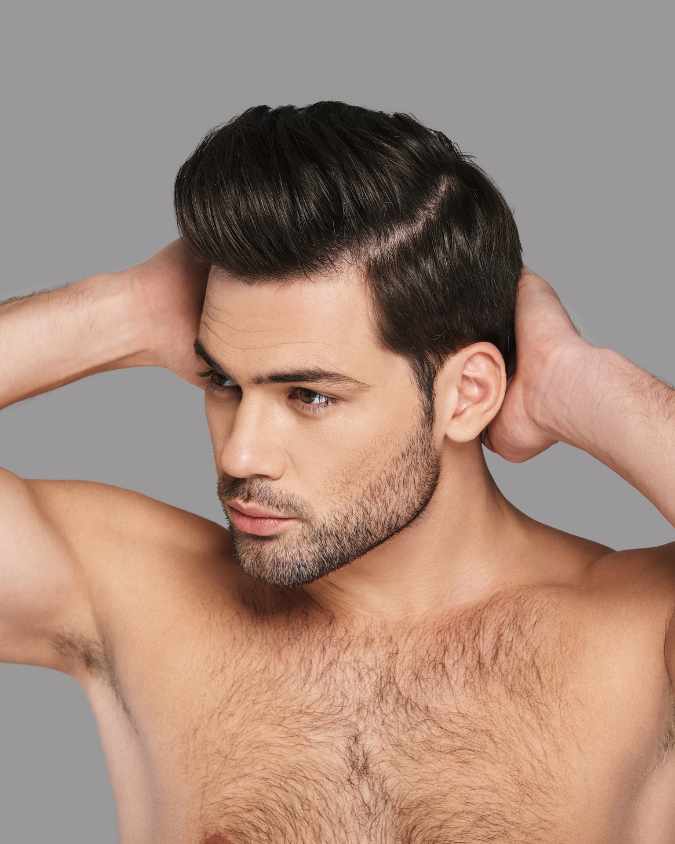
What makes FUE especially attractive is its natural result. When performed correctly, the transplanted hair grows with the same direction, density and texture as the existing hair. The goal is not to create an artificial hairline, but one that blends harmoniously with the patient's facial structure and age.
Recovery after FUE is usually rapid. The small extraction stitches heal quickly and most patients resume normal activities within a few days. Slight redness or swelling may occur, but these effects usually disappear on their own. Over time, the scalp returns to a healthy appearance with no visible signs of surgery.
The success of FUE hair transplantation depends not only on technology, but also on planning and experience. Hair density, donor site quality and long-term hair loss pattern must be carefully evaluated prior to the procedure. A responsible approach seeks sustainable results, not short-term cosmetic solutions.
Today, FUE is no longer about dramatic transformations, but about restoring balance, confidence and a natural appearance that evolves over time. When performed for the right reasons and with realistic expectations, it offers authentic results: not created, but restored.


 Spanish
  English
  German
  French
  Arabic
  Thai
Thai  Chinese
  Russian